













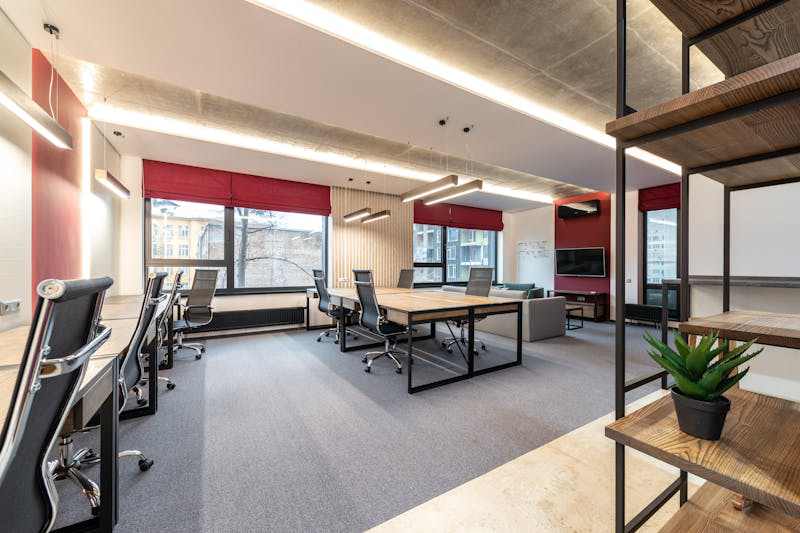
A clean building is more than tidy. It’s alive. It communicates. It protects. And it influences everything.
Buildings are alive in a way. They breathe. They get messy. They feel the footsteps of everyone who walks through them. And that mess? It tells a story. A story of use, care, and neglect.
Sometimes it shows up in small places, dust on ledges, smudges on glass, where Commercial Window Cleaning becomes part of the rhythm that keeps a space feeling cared for. Not every building needs the same cleaning rhythm. Not even close.
Office towers are not hospitals. Retail stores are not warehouses. Yet too often, schedules treat them the same. Mistake. Big mistake. Cleaning isn’t just about aesthetics. It’s about perception, health, and sometimes even survival.
Office Buildings, Quiet Chaos
Offices hum quietly. Phones ring. Chairs scrape. Coffee drips. People rush. High-traffic areas? Daily cleaning is mandatory. Lobbies, restrooms, kitchens. Dust hides in corners. Fingerprints smear glass. A single sticky floor can ruin a first impression.
Windows? Usually quarterly, but city grime can push that to monthly.
Typical tasks:
- Daily trash removal and surface wipe-downs
- Weekly deep cleaning of floors and furniture
- Monthly attention to vents, light fixtures, and corners
- Quarterly exterior window washing
Clean offices send a signal: We are competent. We care. Employees notice. Visitors notice. Subconsciously, it builds trust.
Retail Spaces? Fast, Furious, and Filthy
Retail is a race. Customers flood in and out. Spills happen. Floors take a beating. Displays get dusty. Fingerprints multiply across every glass surface.
The cleaning rhythm has to match that pace, steady daily care for floors and restrooms, frequent wipe-downs of counters and touch points, windows refreshed often enough to keep the street view sharp, and deeper seasonal work to pull everything back to baseline.
A clean store draws people in. A dusty store? It repels. Shoppers may not consciously notice, but subconsciously, the brain judges every speck.
Healthcare Facilities, Every Minute Counts
Hospitals, clinics, labs. These places play by different rules. Cleanliness is life or death. Not hyperbole. It’s reality.
Frequency? High. Strict. Non-negotiable.
- Public areas: multiple times per day
- Patient rooms and operating theaters: after every use
- Floors, walls, high-touch surfaces: daily or hourly
- Windows: regular, but never compromising sterile zones
Even small lapses can spiral into consequences. Here, timing is precision, and every wipe matters.
How About Schools and Universities? Beautiful Messes
Kids. Teenagers. Mess magnets. Cafeterias spill. Gym floors squeak. Hallways carry every bit of chaos they create.
The cleaning rhythm follows the rhythm of the day. High-touch spots need constant love. Classrooms and furniture need a deeper reset every week. Windows get their turn seasonally, sometimes more when the city air settles on everything. And the special places, labs, workshops, libraries, always ask for their own kind of attention.
That flexibility is what keeps everyone safe, focused, and able to actually breathe on campus..
Industrial Spaces, Dirt Happens
Factories, warehouses, production floors. Dust. Debris. Chemical residue. Constantly.
Schedules often follow workflow, not the calendar:
- Daily sweeping, debris removal
- Frequent cleaning of surfaces in production areas
- Weekly or biweekly deep cleaning of floors and machines
- Windows and skylights: quarterly or more if dust builds fast
Cleaning must fit around operations. Interrupt production, and costs spike. But leave dust, and safety and efficiency crumble.
Hospitality Spaces? First Impressions Hit Hard
Hotels, resorts, restaurants, and guests catch everything. Lobbies. Rooms. Windows. Even the dust you thought no one would notice.
The pace is nonstop. Rooms need daily care, public areas get constant touch-ups, windows stay on a tight cycle, and the deeper resets keep everything from slipping.
Cleanliness is money, reputation, and repeat business rolled into one.
Layers Within Mixed-Use Buildings
Offices, residences, retail, amenities, each space with its own pulse. Residential floors need steady resets, commercial areas run on daily care, and shared spaces move even faster because everyone sees them.
Coordination is key. No section can lag. Occupants notice. They compare. Always.
Environmental and Seasonal Factors?
Schedules are never static. Weather, construction, pollen, and city dust each shift cleaning needs.
- Storms: more exterior attention
- Dusty cities: floors and glass need extra love
Adapt, adjust, and your building stays inviting all year. Ignore, and chaos accumulates quietly.
Conclusion
Cleaning frequency is more than a checklist. It’s a strategy. Every building is different. Offices, retail, healthcare, schools, industrial, hospitality, mixed-use, they all demand attention tailored to their rhythms. Companies like Spanier Building Maintenance understand that these differences matter in every sweep, wipe, and polish.
Done right? Safety improves. Productivity improves. Reputation soars. Done poorly? Problems creep in unnoticed. Morale dips. Visitors judge. The lesson is simple: understand your building. Observe traffic. Watch usage. Adapt schedules. Small, thoughtful adjustments ripple far beyond polished surfaces.