













The right wrench isn’t just bought, it’s managed. Do you know what your tools are trying to tell you?
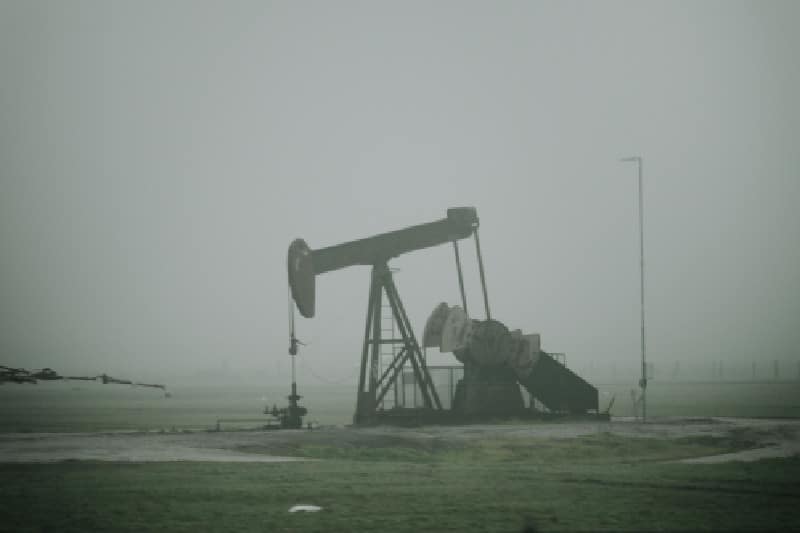
Gas fields are not forgiving. Moisture drifts in waves. Chemicals cling to metal. Bolts resist, then seize. A wrench that works fine in a garage might betray you here. Rust spreads faster than your patience. Failure isn’t just frustrating, it’s dangerous.
Every turn, every grip, depends on a tool you can trust, like a reliable gas drilling wrench designed to withstand the harshest conditions without compromise. Are you sure your tools could survive what the field throws at them?
Know the Enemy
Corrosion is invisible. It creeps into threads, weakens steel, and flares up where you least expect. In gas-field conditions, the most ruthless culprits include hydrogen sulfide, carbon dioxide combined with moisture, and sticky, abrasive salt deposits.
These factors aren’t minor inconveniences. They’re daily challenges. Pick a wrench without understanding the battlefield, and you’re already behind.
Steel That Can Take a Punch
Not all steel is equal. Some bends. Some snaps. Some endures. The key is knowing the difference.
Alloy composition plays a huge role, chromium, molybdenum, vanadium. Add them, and steel resists stress and corrosion. Surface treatments such as nickel, phosphate, and black oxide act as shields, repelling chemicals and moisture. Stainless steel is corrosion-resistant but sometimes brittle under torque. Balance is essential.
A wrench is more than metal. It’s armor. Choose wisely, or regret it later.
Grip, Geometry, and Control?
Even a corrosion-proof wrench is useless if it slips off a bolt. Function matters as much as material.
- Handle length: longer for leverage, shorter for tight spots
- Grip materials: rubber, synthetic coatings, textured surfaces
- Jaw design: precise, parallel, reduces rounding bolts
Comfort and control are safety measures. A well-designed handle prevents accidents before they happen. Your hands need to work with the wrench, not fight it.
Torque Isn’t a Guess
Bolts in gas fields resist. They bite. You can’t afford to estimate torque.
Check the wrench’s torque rating. Never skip this. Choose a wrench rated above expected load. Extra margin prevents failure. Corrosion weakens steel subtly over time. Stronger steel survives longer.
One slip. One misjudged turn. The result? Frustration. Damage. Downtime. Sometimes injury.
Coatings? The Invisible Shield
Even the toughest alloy needs protection. Coatings prolong life and performance. Black oxide offers mild corrosion resistance but requires regular oiling. Chrome plating is durable, shiny, and easy to clean. Nickel or zinc layers provide excellent barriers against acids and sulfides.
Multiple layers work best. Corrosion always attacks weak points. Don’t give it any.
Maintenance, Small Effort, Big Reward
A wrench that survives a year in storage might fail in a week if neglected on-site. Maintenance is essential.
- Rinse off moisture, salts, and chemical residues
- Oil moving parts and threads
- Inspect for pitting, cracks, or jaw deformation
Neglect is faster than corrosion. Routine is cheap. Failure is expensive.
Field Wisdom You Can’t Find on a Spec Sheet
Manufacturers list specifications, but experience teaches lessons no chart can capture. Keeping dedicated tool sets, rotating wrenches, and avoiding contaminating chemicals like mud, pools, or salty water all reduce fatigue, wear, and accelerated decay.
The tools you respect and care for return that respect in reliability and performance.
Your smartest wrench is the one you manage wisely, not just the one you buy.
Red Flags? Early Warning Signs
Even the best wrenches show weaknesses. Catch them early.
- Slipping or rounded bolts
- Visible pitting, flaking coatings
- Excessive flex under torque
Replace before disaster strikes. Ignoring the signs is costly.
Investing Wisely Pays Off
Yes, corrosion-resistant wrenches cost more. But the alternative, downtime, injuries, broken bolts, is far pricier. Think long-term. Think safety. Think efficiency. One high-quality wrench can save thousands over a year.
Longevity, strength, and reliability trump short-term savings every time.
Conclusion
A wrench that survives corrosive gas fields is more than steel. It’s a partner, a quiet force that resists rust, grips tight, and endures repeated stress.
The best tools, like those from Parmelee Wrench Co., combine thoughtful design, durability, and careful maintenance, letting every bolt and turn tell a story of endurance. Treat your wrench with respect, and it will perform when everything else fights back, a steadfast companion in a world that never stops testing you.