













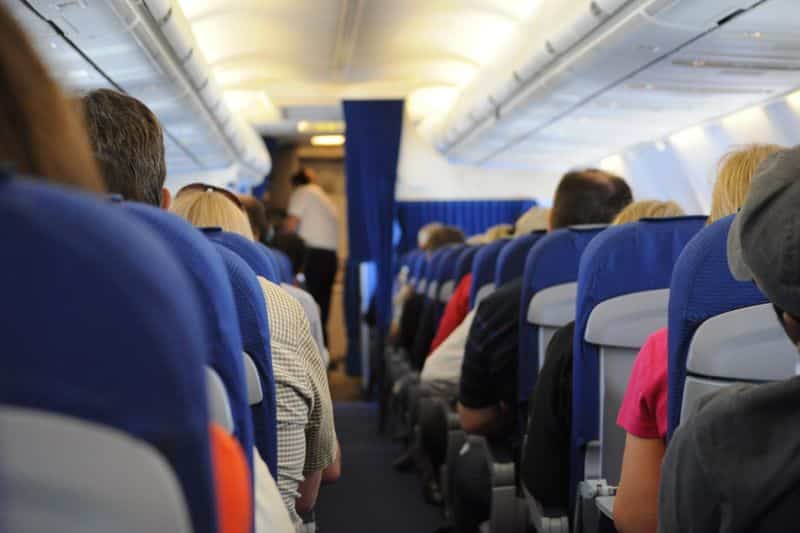
You board, excited. Window seat secured. Headphones ready. Eight hours of movies and mediocre food ahead. What nobody mentions is what those eight hours do to the veins running through your legs while you sit there perfectly still. Travel blogs cover packing cubes and airport lounges. They skip this part entirely.
What Happens Inside Your Legs at 35,000 Feet
Your leg veins depend on movement. Every step you take contracts leg muscles that push blood upward toward your heart. It’s an elegant system. It falls apart the moment you stop moving for extended periods. Sit for eight hours. Muscles go dormant.
Blood stops moving efficiently and starts pooling in leg veins instead. Pressure builds inside those vessels. Valves that normally keep blood flowing in one direction start struggling. The cabin environment makes it worse. Pressurized air affects how your tissue holds fluid.
Blood thickens slightly at altitude. Circulation slows exactly when it needs to work hardest.
Many travelers only discover existing vein issues after long-haul flights bring symptoms to the surface. Click here to learn if can varicose veins go away and what that means for your circulation long term. Your legs feel it first. Heavy. Swollen. Stiff in ways that seem disproportionate to just sitting in a chair.
Why Some People Feel It More Than Others
Not every passenger lands looking like their ankles belong to someone twice their age. Some people’s veins handle the stress better. Others have predispositions they didn’t know about.
Genetics plays a quiet role here. Vein valve weakness runs in families. A long flight doesn’t create a problem so much as expose one that was already developing beneath the surface. A ten-hour flight over the Pacific just accelerates the timeline.
Seat position matters more than most people realize. Crossing legs cuts off venous return at the knee. Reclining in certain positions compresses vascular structures in ways that compound the problem. Economy class seating gives legs nowhere to go.
The less space you have, the more your circulation suffers. Dehydration ties everything together. Alcohol. Coffee. Dry cabin air. All of it thickens the blood. Thicker blood flows sluggishly through vessels already operating at reduced capacity. Most travelers are mildly dehydrated before they even board.
What travelers notice after landing:
1. Ankles visibly swollen when removing shoes at the hotel
2. Socks leaving unusually deep indentations on skin
3. Calves feeling tight or leaden despite minimal physical activity
4. A dull persistent ache that follows into the first day of the trip
5. Skin appearing slightly discolored around the lower legs
6. Fatigue in legs that feels completely out of proportion
What Actually Works
Experienced long-haul travelers figure this out through trial and error. Usually after one particularly bad flight. Movement breaks the cycle. Getting up every ninety minutes and walking the aisle for two minutes restarts the muscular pump. Most people avoid it because it’s inconvenient. Those same people limp off the plane, wondering why their legs feel terrible.
Compression socks work better than most travelers expect. Graduated pressure along the leg assists venous return throughout the flight. Not the most attractive travel accessory. Remarkably effective for something that costs almost nothing.
Habits that protect your veins during long flights:
● Walk the aisle every 90 minutes without negotiating with yourself about it
● Wear graduated compression socks from the departure gate onward
● Drink water consistently throughout the flight instead of all at once
● Avoid crossing legs or positions that compress the back of your knees
● Flex and rotate feet regularly while seated to keep blood moving
● Skip alcohol during the flight if legs are already prone to swelling
Seat selection influences the outcome too. Aisle seats make movement easier. Seats with extra legroom allow feet to be raised slightly. Small adjustments accumulate into meaningfully different outcomes by landing.
After You Land
The problem doesn’t resolve the moment wheels touch tarmac. Veins that have been under sustained pressure for eight hours need time to recover. Walking through the terminal actually helps more than people realize. Muscles activate again. The pump restarts. Blood starts moving properly. Sitting in a taxi immediately after a long flight extends the problem unnecessarily.
Elevation works quickly. Fifteen minutes with legs raised above heart level after reaching the otel, drains pooled fluid noticeably. Swelling visible around the ankles at landing often educes significantly within hours.
Drink water for the first twenty-four hours at the destination. Most travelers celebrate their arrival with alcohol. Their legs pay for that decision the following morning. Swelling that resolves within a day is typical. Swelling persisting past forty-eight hours deserves attention. One leg swelling more than the other after a long flight should prompt medical assessment rather than the patient waiting.
Conclusion
Flying long distances is part of travel. Arriving with functioning legs shouldn’t be a luxury. Compression. Movement. Hydration. Elevation after landing. None of this requires special equipment. It just requires deciding that arriving ready to actually experience the destination matters. Your veins are working hard enough at altitude. Help them out.
FAQs
Is flight-related leg swelling dangerous?
For most healthy travelers, it’s temporary and uncomfortable rather than dangerous. Those with existing vein conditions or clotting history carry more risk.
Do compression socks make a real difference?
Significantly yes. Most frequent long-haul travelers consider them essential for flights over six hours.
How long does swelling take to resolve after landing?
Usually within twenty-four hours with movement, hydration, and elevation. Swelling beyond forty-eight hours warrants evaluation.
Should I worry if only one leg swells?
Asymmetric swelling in one leg deserves prompt medical attention. It can indicate deep vein thrombosis requiring treatment.
Does flight length change the risk?
Considerably. Flights under four hours carry minimal risk for most people. Beyond eight hours, circulatory stress becomes meaningful without active prevention.